Hideyuki Ishibashi
Biography

7 avr. → 18 juin 2023
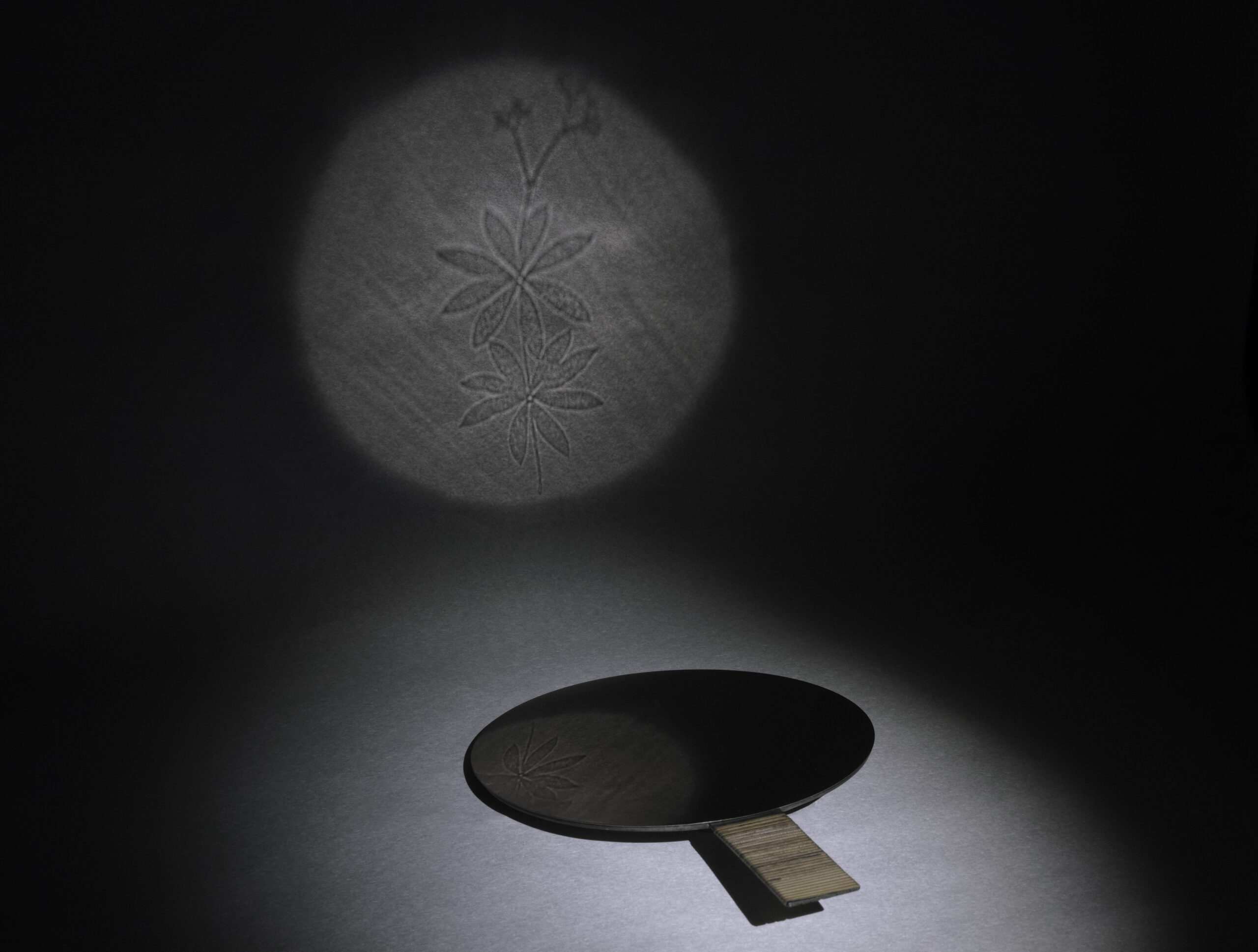
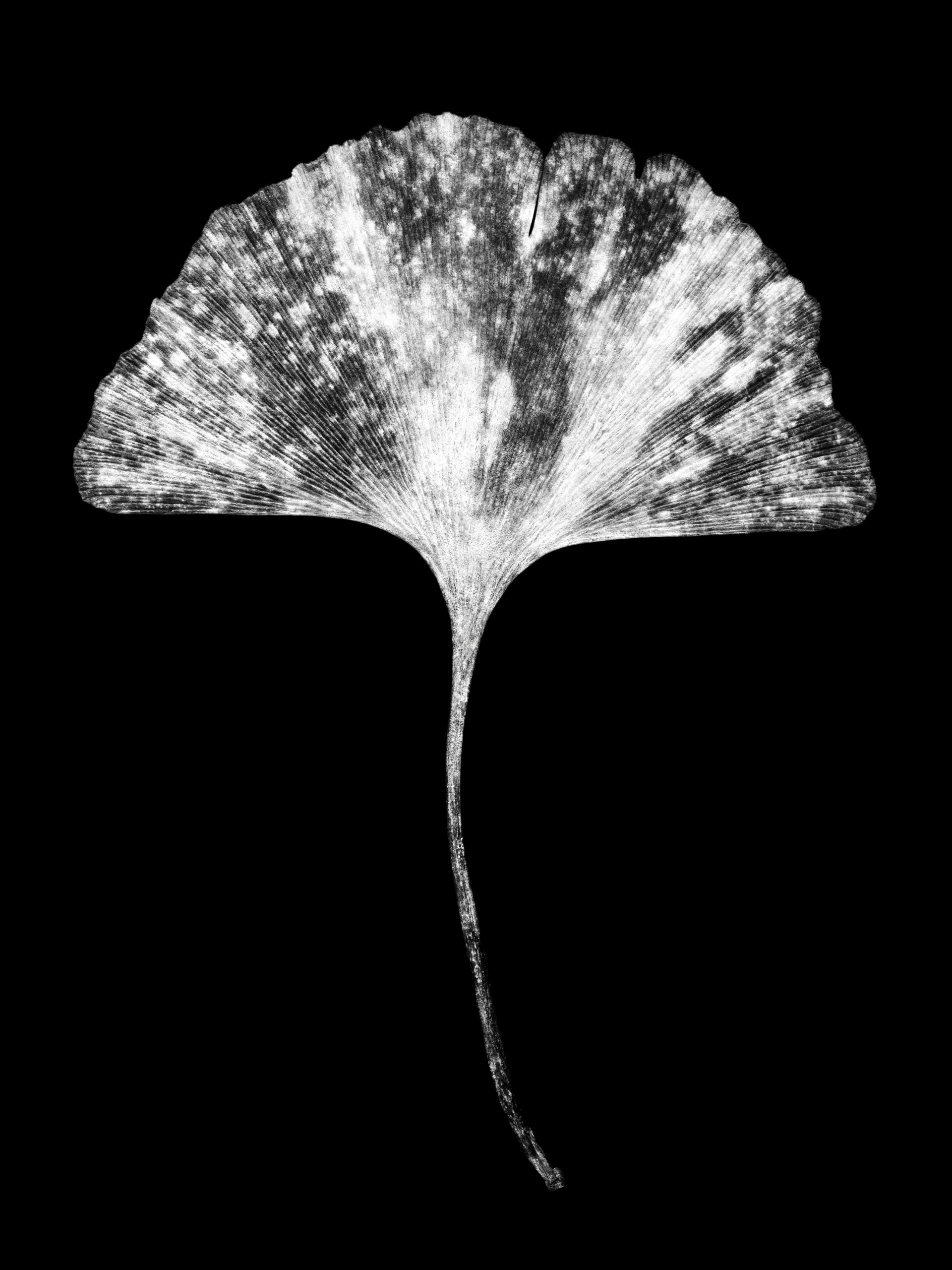
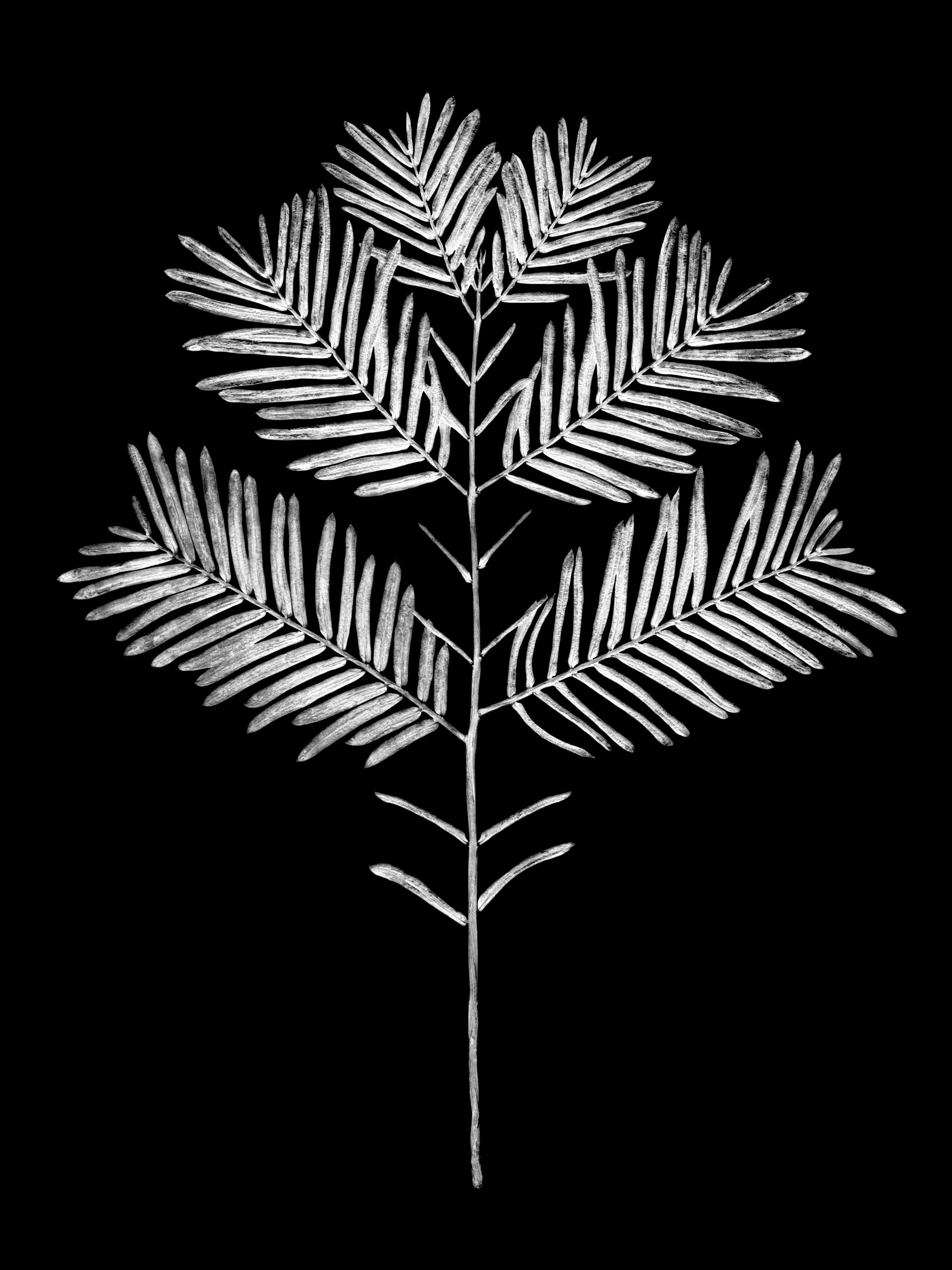
Hideyuki Ishibashi’s artistic approach draws inspiration from the early history of photography. His experimental works follow in the tradition of William Fox Talbot’s first negative/positive process on paper, the cyanotype developed by botanist Anna Atkins—which produces impressions of plants by placing them on light-sensitive paper—and the various experiments of playwright August Strindberg, inspired by the medium’s still “random” nature.
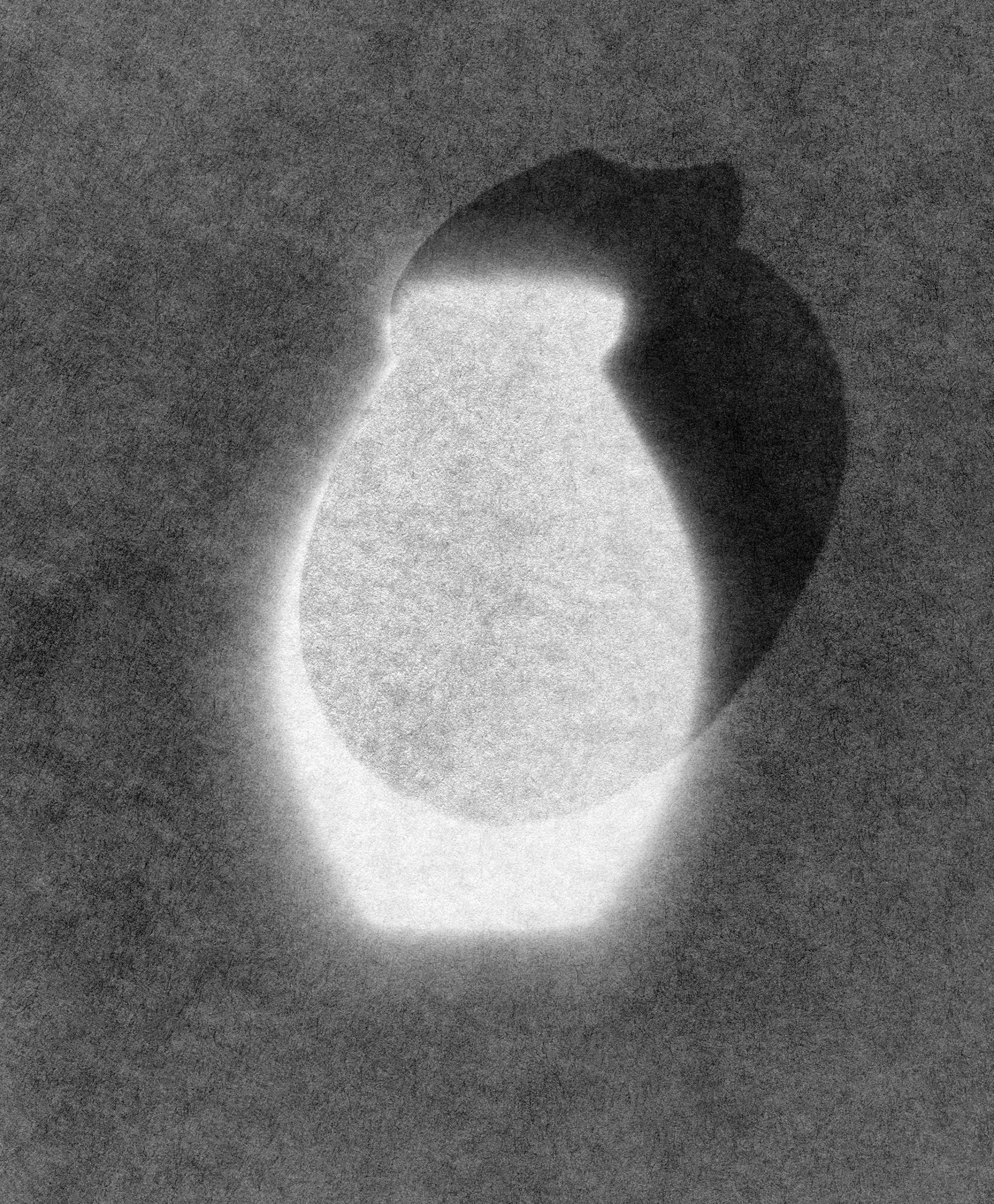
Hideyuki Ishibashi has developed an organic photographic practice that explores the medium’s photosensitivity to the point of its reversibility, as the resulting image changes when exposed to light. This sensitivity to light creates a symbiosis with flora, thanks to the phenomenon of photosynthesis. In this way, he creates series of tangible, impermanent images that serve as new experiences of time and memory.
His subtle range of plant-based dyes, derived from infused leaves and bark, allows him to bring old hues back to life in his photographs and to engage both our sense of smell and our sense of sight.
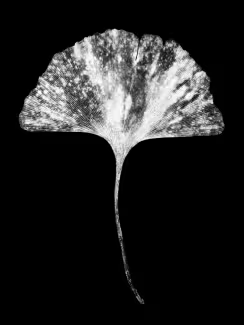
Atlas #6 features impressions of tree leaves from Barbieux Park in Roubaix, created using a combination of scans and photograms. The images, printed as prints using "photochromic " (pigments that react to light intensity) appear and fade under the UV light from the flashlight, which mimics sunlight filtered through the foliage.
Photography credits: Hideyuki Ishibashi
Biography